MODULAR ETP PLANT
Description
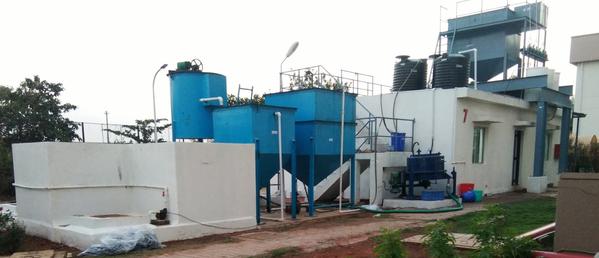
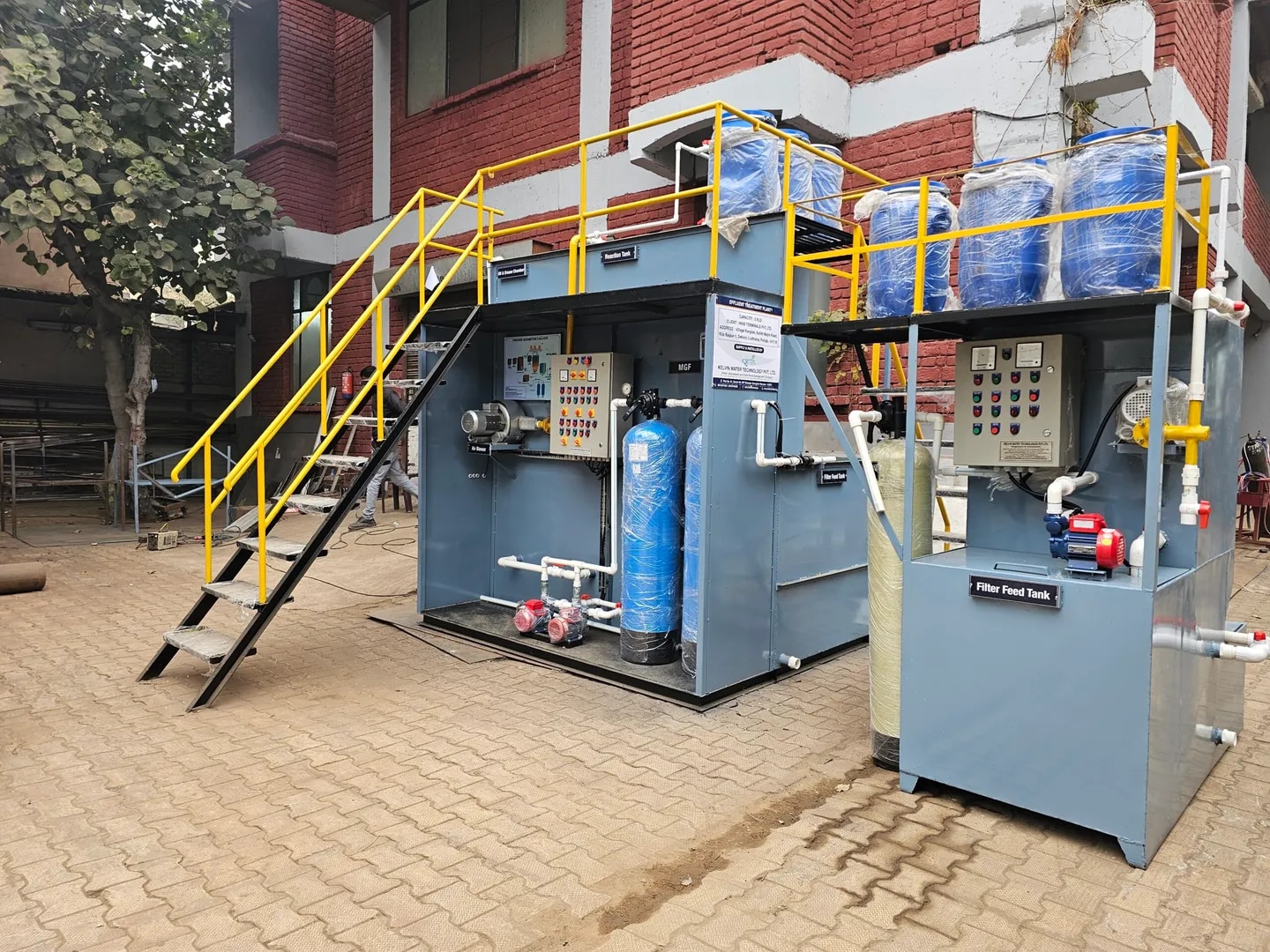
A modular ETP can be configured to include multiple treatment stages, with each module handling a specific function.
1) Preliminary treatment: This stage removes large solids and grit using screens to protect the downstream equipment from clogging.
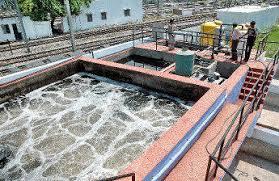
2) Primary treatment: Wastewater flows into sedimentation tanks, where heavy solids and sludge settle out.
3) Biological treatment: Aeration tanks containing microbial biomass break down biodegradable organic matter. Common modular technologies for this stage include:
a) Moving Bed Biofilm Reactor (MBBR): Uses free-floating plastic carriers for microbial growth.
b) Membrane Bioreactor (MBR): Combines biological treatment with membrane filtration to produce high-quality effluent.
c) Sequencing Batch Reactor (SBR): Treats wastewater in batches within a single tank.
4)Secondary clarification: After biological treatment, the biomass separates from the treated water, producing a clearer effluent.
5) Tertiary treatment (polishing): This optional stage further purifies the water to meet stringent discharge standards or for reuse. It can involve sand filters, activated carbon filters, or disinfection with UV light or chlorine.
6) Sludge treatment and disposal: The sludge collected during treatment is dewatered and stabilized for safe disposal or reuse.
Advantages
Cost-effective: Lower initial capital expenditure is possible because industries can invest incrementally by adding modules as needed.
Flexibility and customization: The modular design allows for a high degree of customization to match specific wastewater characteristics and treatment goals.
Reduced civil work: Minimal on-site civil engineering and construction are required for installation, lowering costs and installation time.
Rapid deployment: Prefabricated units reduce on-site construction time by up to 50%, allowing projects to come online faster.
Common applications
Modular ETPs are used across many industries, particularly those with smaller-scale operations or a need for flexibility.
Textile and food processing industries
Pharmaceutical and chemical manufacturing plants
Remote or rural locations where centralized treatment is not feasible
Construction sites and other temporary projects
Hotels, resorts, and commercial complexes
Specifications
| Commonly known as modular effluent treatment plant (ETP) | a wastewater treatment system composed of prefabricated, standardized, and self-contained units or "modules". These modules are manufactured off-site and can be easily transported, assembled, and connected on-site to create a complete and operational ETP. This approach offers a flexible, scalable, and faster alternative to traditional, custom-built ETPs. |
|---|---|
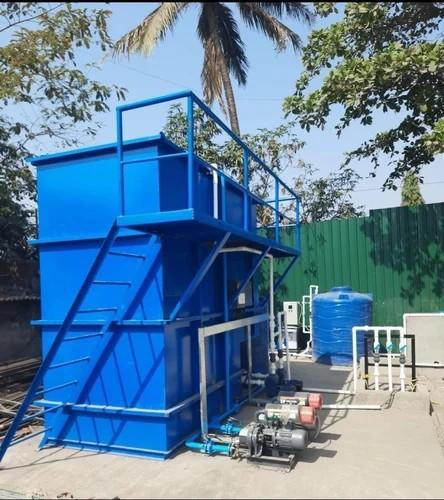
| Quick installation | The process of assembling the pre-built modules on-site significantly reduces installation and commissioning time compared to traditional ETPs. |
| Prefabricated components | The various parts of the ETP, such as tanks and control systems, are constructed and tested in a controlled factory environment, which ensures high quality and reliability. |
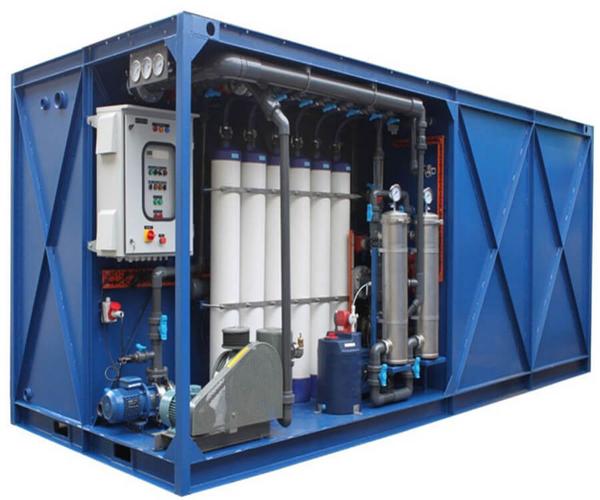
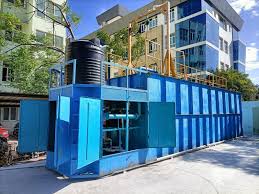
| Portability | Some modular ETPs are skid-mounted or containerized, allowing for easy relocation for temporary projects or use in remote areas. |
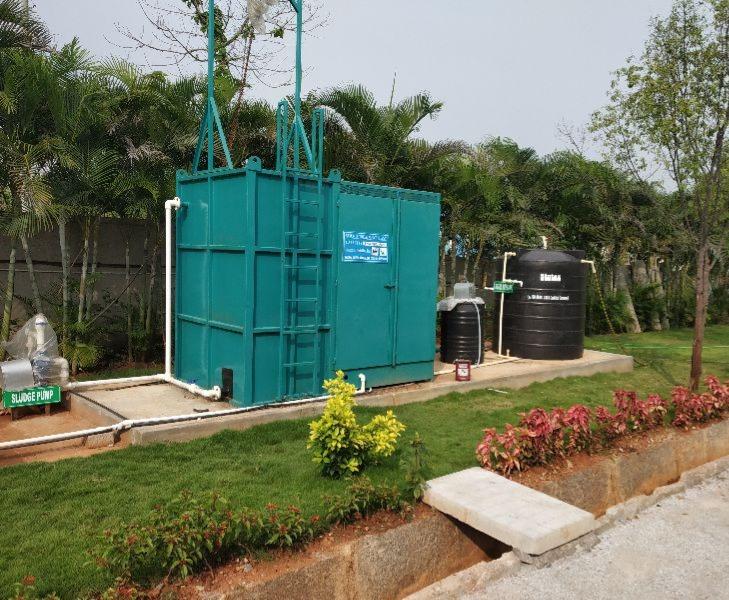
| Compact footprint | Modular ETPs are designed to occupy minimal space, making them ideal for urban areas or industries with limited available land. |